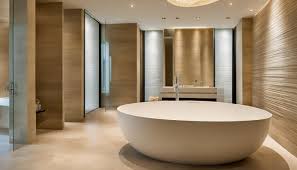
Travertine is a natural stone formed from mineral deposits around hot springs. It is known for its warm, earthy tones and naturally occurring textures. The Travertine stone features a porous surface with unique patterns, giving it an organic and timeless appeal. Its natural variations make each piece distinctive, making travertine ideal for creating visually engaging spaces.
Why choose travertine for interior spaces?
Travertine brings a rich, organic look to interiors. Its soft hues and natural textures add warmth and sophistication to living rooms, kitchens, and bathrooms. The stone’s neutral colors blend well with various design styles, from modern minimalism to rustic or classic aesthetics. Besides its visual appeal, travertine is also durable, providing a long-lasting flooring or wall solution.
Can travertine be used outdoors?
Yes, travertine is suitable for outdoor use. Its natural strength and resistance to weather make it an excellent choice for patios, walkways, and pool surrounds. Travertine’s porous surface allows it to remain slip-resistant even in wet conditions, ensuring both safety and style. Over time, the stone develops a natural patina, enhancing its organic charm.
What finishes are available for travertine?
Travertine comes in various finishes to suit different design preferences. Polished travertine offers a glossy, refined look, ideal for formal interior spaces. Honed travertine provides a smooth, matte finish, giving a subtle and contemporary appeal. Tumbled travertine features a naturally aged texture, perfect for rustic or outdoor applications. Each finish highlights the stone’s unique patterns while complementing the overall design of a space.
Is travertine stone easy to maintain?
Travertine is relatively low-maintenance compared to other natural stones. Regular sweeping and damp mopping are sufficient to keep its surface clean. Periodic sealing is recommended to protect the stone from stains and moisture, especially in high-traffic areas or outdoor settings. Proper care ensures that travertine maintains its rich appearance for years.
How does travertine enhance a space aesthetically?
Travertine’s organic patterns and natural colors create a sense of harmony and sophistication. Each tile or slab features unique veins and textures, adding depth and character to floors, walls, and countertops. The stone’s warmth can make large spaces feel inviting and cozy while maintaining an elegant, high-end look. Its versatile appearance allows designers to mix and match it with wood, metal, and glass for layered, visually appealing interiors.
Can travertine be customized for different design projects?
Absolutely. Travertine is available in various sizes, shapes, and finishes, allowing flexibility for different applications. It can be cut into large slabs for a seamless look, or smaller tiles for intricate patterns. The stone can also be used creatively for mosaics, accent walls, or decorative borders, giving designers freedom to create distinctive spaces.
Is travertine stone environmentally friendly?
As a natural material, travertine is eco-friendly and sustainable. Its production requires minimal processing, reducing energy consumption compared to synthetic alternatives. The stone is long-lasting, which reduces the need for frequent replacements, further lowering its environmental impact. Choosing travertine contributes to a sustainable approach in building and interior design.
What makes travertine a timeless choice?
Travertine’s combination of durability, natural beauty, and versatility makes it a timeless choice for both residential and commercial spaces. Its rich, organic appearance complements a wide range of design styles, while its enduring strength ensures lasting functionality. Whether used indoors or outdoors, travertine adds an element of natural elegance that never goes out of style.
How can travertine increase property value?
Incorporating travertine into flooring, countertops, or outdoor areas can enhance the perceived value of a property. Its premium look, combined with long-lasting performance, appeals to homeowners and buyers seeking both aesthetic appeal and practical functionality. Well-maintained travertine surfaces reflect quality craftsmanship, making spaces more attractive and desirable.
Conclusion
Travertine stone is a versatile and enduring choice for enhancing spaces with a rich, organic appearance. Its natural beauty, coupled with practical benefits such as durability and ease of maintenance, makes it ideal for a wide range of applications. From luxurious interiors to elegant outdoor areas, travertine elevates any environment while offering a timeless and sophisticated charm.