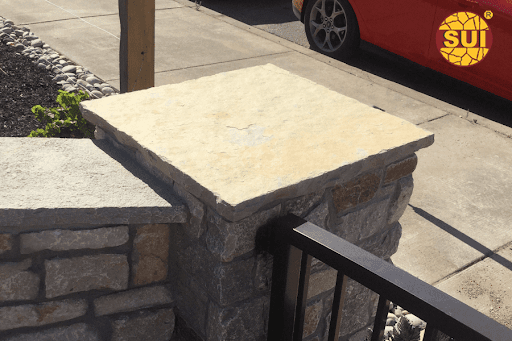
When you work with natural stone projects, details matter. A column cap can make a big difference in the final look of columns, posts, or mailboxes. As dealers, contractors, designers, or landscape architects, you often need to source these items in large amounts to meet project needs. Buying in bulk saves time and money, but it requires careful thought. This post covers the main factors to check before you place a bulk order for column caps. These tips help you avoid common mistakes and pick items that fit your work.
Understanding Column Caps
A column cap is a square stone piece that sits on top of a column, post, or mailbox. It gives a clean finish and adds a decorative element. These caps come in different stones, such as sandstone, limestone, and granite. Each stone brings its own texture, color range, and character. Sandstone offers warm tones and subtle grain patterns, limestone provides a softer, more uniform look, and granite delivers crisp edges with high durability.
For your projects, knowing the role of a column cap is key. It tops off the structure and ties the design together. Dealers might stock them for resale, while contractors use them in builds. Designers pick them to match overall plans, and landscape architects include them in outdoor setups.
Reasons to Buy Column Caps in Bulk
Bulk buying makes sense for pros in the natural stone field. It cuts costs per unit and ensures you have enough stock for big jobs or multiple sites.
- Cost savings: Most column cap suppliers reduce prices starting at quantities of 80-100 pieces or more in Pallets.
- Project continuity: Having stock on hand avoids waiting for restocks when a job expands or new contracts come in.
- Uniform appearance: A single bulk lot minimizes variations in color, veining, or finish that can occur between separate shipments.
Contractors who manage several column installations at once or dealers stocking their inventory, bulk buying can improve your profit margins and streamline operations.
Material Quality
The stone type affects how well a column cap holds up in use. Check the stone’s source and grade.
Types of Stone
Evaluate which material suits the application:
Sandstone: Features natural layering and softer edges. It’s ideal for traditional or rustic designs.
Limestone: Offers a smooth, matte surface and light, neutral colors; works well in classic or contemporary settings.
Granite: Provides tight grain and strength; preferred for urban projects or areas with heavy use.
Pick based on the project site. For coastal or garden settings, lighter limestones complement greenery. In city entrances, darker granites can add contrast.
Checking for Defects
Always request samples before bulk purchase. Spot cracks, chips, or uneven colors. Inspect for:
- Surface cracks or fissures that could widen later.
- Inconsistent thickness across the piece.
- Color zoning or spotting that disrupts uniformity.
Request technical data sheets covering compressive strength, absorption rates, and density. Higher density generally means better resistance to wear. Lower absorption helps limit dirt buildup. Dealers and contractors benefit from running quick field tests on samples. Tap for hollow sounds or check edges for chipping.
Size and Dimensions
Accurate sizing prevents installation headaches.
Standard Sizes
Generally, a stone column cap is available in the dimensions 22” x 22”, 24” x 24”, 26” x 26”, 29” x 29”, and 30” x 30”. Measure your columns first.
- Width: Must fully cover the top.
- Thickness: Usually 2-3 inches for stability.
- Overhang: Some designs have edges that extend out.
Custom sizes cost more, so stick to standards if possible.
Compatibility with Structures
Ensure the column cap fits the base. For posts, check weight limits. Mailboxes need secure fits.
Contractors should bring samples to the site early. Designers can note exact tolerances in specifications to avoid change orders.
Design and Style Options
Style choices impact the project’s appeal.
Aesthetic Variations
Options range from plain to carved.
- Simple flat tops: For clean lines.
- Peaked designs: Add height and interest.
- Edge profiles: Beveled or rounded for softness.
Match to the overall theme. Landscape architects might choose natural edges for outdoor vibes.
Color Consistency
Stone colors vary by batch. Order from one lot for uniformity.
- Earth tones: Browns and grays for neutral looks.
- Bold hues: Reds or blacks for accents.
View samples in natural light to see true colors.
Finding a Reliable Column Cap Supplier
A good column cap supplier ensures quality and timely delivery. Research options well.
Supplier Credentials
Check their track record.
- Experience: Years in business show reliability.
- Reviews: Look at feedback from other pros.
- Certifications: For stone sourcing and standards.
A reliable column cap supplier offers clear information on products.
Supply Chain and Logistics
Ask about lead times and shipping.
- Origin: Imported stone might take longer.
- Packaging: Proper crates prevent damage.
- Returns: Policies for faulty items.
For bulk, test with a small order first.
Cost Considerations
Balance price with overall value.
Pricing Structures
Understand how costs add up.
- Unit price: Drops with volume.
- Shipping fees: Factor in distance.
- Taxes and duties: For imports.
Compare quotes from multiple sources.
Value for Money
Consider long-term factors.
- Longevity: Better stone lasts longer.
- Warranties: Some suppliers offer them.
- Bulk deals: Negotiate for extras like free samples.
Contractors and dealers should factor these into project bids or resale pricing.
Installation and Compatibility
Proper planning ensures smooth fieldwork.
Installation Methods
Common ways include mortar or adhesives.
- Prep work: Clean surfaces first.
- Tools needed: Levels and cutters.
- Safety: Use supports during setup.
Prepare surfaces by removing dust and ensuring level tops. Have levels, shims, and cutting tools ready.
Potential Challenges
Watch for issues like uneven bases.
- Weight: Heavy caps need strong columns.
- Alignment: Ensure straight fits.
- Sealing: Around edges for secure hold.
Test one or two installations to catch problems early.
Maintenance Tips
Keep column caps looking good over time.
Cleaning Routines
Simple care extends life.
- Dust removal: Brush off debris.
- Stain treatment: Use mild soaps.
- Inspections: Check for shifts yearly.
Landscape architects can include basic care notes in client handover packages.
Repair Options
Handle minor damage promptly:
- Fill small chips with color-matched epoxy or stone repair compound.
- Keep 5-10% extra pieces from the bulk order as spares.
- Call in stone restoration pros for deeper issues.
Dealers can bundle maintenance products with sales.
Conclusion
Buying column caps in bulk requires attention to material quality, precise sizing, design fit, supplier reliability, cost structure, installation details, and ongoing care. Addressing these areas helps ensure consistent results, fewer site problems, and better client satisfaction. For a trusted selection of natural stone column caps, consider Stone Universe Inc. as your source. Stone Universe Inc. offers a solid range of options to help dealers, contractors, designers, and landscape architects complete projects with confidence.