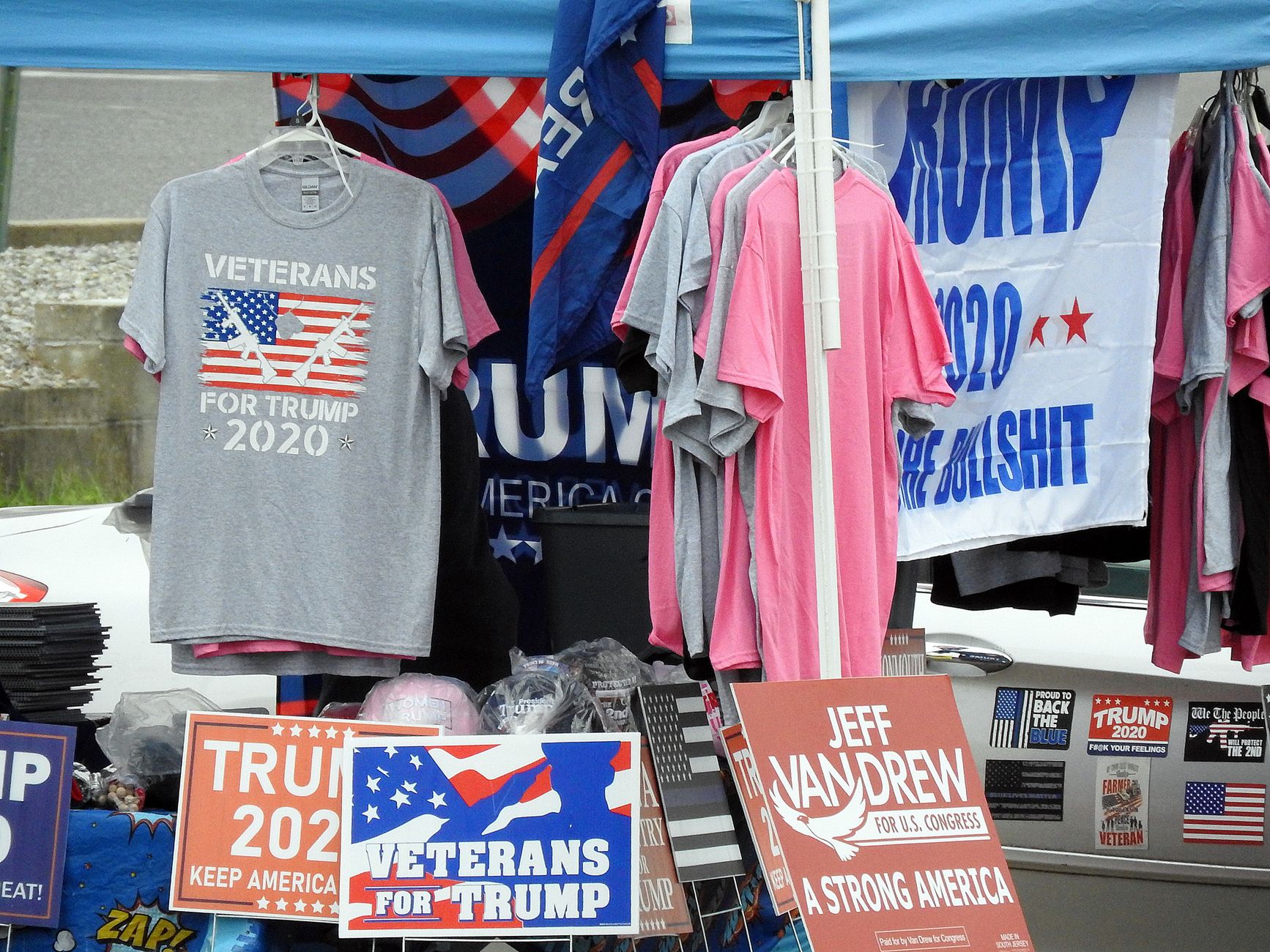
Ted Cruz moderate Republicans are at the center of a heated debate as Cruz urges them to ‘shut up’ and support Paxton. This statement has sparked significant reactions within the GOP.
Understanding Cruz’s Controversial Statement
Ted Cruz recently made headlines with his provocative remarks directed at moderate Republicans regarding their stance on Attorney General Ken Paxton. In a public statement, Cruz urged these party members to “shut up” and unify behind Paxton, who has faced various legal challenges. His comments have sparked a heated debate within the Republican Party about the role of moderate Republicans in today’s political landscape.
Cruz’s assertion raises questions about party loyalty and the expectations placed on members who may not fully align with the more extreme elements of the Republican base. As many moderate Republicans grapple with their identities in a polarized political environment, Cruz’s directive could be seen as an attempt to silence dissent and promote a singular narrative.
Critics argue that such statements could alienate those who believe in a more inclusive approach to governance, potentially pushing moderate Republicans further away from the party. In a time when political divisions are deepening, the implications of Cruz’s comments may resonate beyond just this particular issue. It reflects a broader struggle for the heart and soul of the Republican Party, where moderate voices are increasingly challenged to find their place amidst the rising influence of more radical factions.
The Reaction from Moderate Republicans
The recent comments made by Senator Ted Cruz regarding moderate Republicans have sparked significant debate within political circles. Many moderate Republicans expressed their discontent with Cruz’s directive to remain silent on the support for Attorney General Ken Paxton. This reaction has highlighted the ongoing division within the party.
Several prominent moderate Republicans have stepped forward to voice their opinions:
- Senator Susan Collins stated that every Republican should feel free to express their views without fear of retribution.
- Governor Asa Hutchinson emphasized the importance of maintaining a diverse range of opinions within the party, suggesting that unity does not require silence.
- Representative Liz Cheney called for a more inclusive approach, arguing that moderate Republicans play a crucial role in appealing to a broader electorate.
In response to Cruz’s remarks, many moderate Republicans are questioning whether loyalty to the party outweighs their responsibility to uphold ethical standards. The ongoing debate raises critical questions about the future direction of the Republican Party and the role of moderate Republicans in shaping its policies.
Implications for the GOP
The recent statements made by Ted Cruz have sparked significant conversation regarding the implications for the GOP, particularly concerning the relationship between party leadership and moderate Republicans. Cruz’s directive for moderate Republicans to “shut up” in their criticism of Attorney General Ken Paxton has raised eyebrows and ignited debates about loyalty and dissent within the party.
Many political analysts suggest that such remarks could alienate centrist voters, who are crucial for the GOP’s long-term success. The divide between conservative hardliners and moderate Republicans may deepen, leading to a fractured party that struggles to present a unified front. Key implications for the GOP include:
- Voter Turnout: Moderate Republicans may feel disillusioned and less motivated to support candidates aligned with Cruz’s hardline stance.
- Factionalism: Increased tension between factions could hinder effective governance and weaken the party’s overall cohesion.
- Electoral Risks: By pushing away moderates, the GOP risks losing critical elections, particularly in swing districts.
- Long-Term Strategy: The party may need to reevaluate its approach to moderate Republicans to ensure broader appeal in future campaigns.
Ultimately, Cruz’s comments may serve as a catalyst for ongoing discussions about the future direction of the GOP.
Who is Ken Paxton?
Ken Paxton is the current Attorney General of Texas, having held the position since January 2015. A prominent figure within the Republican Party, he has garnered attention both for his staunch conservative views and his ongoing legal battles. Paxton has faced various legal challenges, including accusations of securities fraud and a lawsuit related to his handling of funds, which have led some to question his fitness for office.
Despite these controversies, Paxton maintains a solid base of support among many Texas Republicans, including influential figures like Ted Cruz. Cruz’s recent remarks regarding moderate Republicans highlight a growing divide within the party. He has urged these moderate Republicans to rally behind Paxton, framing support for him as essential to the party’s unity and strength.
In the eyes of some moderate Republicans, however, supporting Paxton poses a moral dilemma. They argue that endorsing a figure facing serious ethical and legal scrutiny could damage the party’s reputation. This internal conflict among moderate Republicans raises questions about their role and influence within the GOP, as they navigate the pressures of aligning with leaders like Cruz while adhering to their principles.
Political Landscape in Texas
The political landscape in Texas is increasingly complex, as divisions within the Republican Party become more pronounced. Senator Ted Cruz has stirred controversy by urging moderate Republicans to rally behind Attorney General Ken Paxton, despite ongoing legal challenges he faces. This appeal highlights a larger tension within the GOP, where the lines between traditional conservatism and more centrist viewpoints are becoming blurred.
Many moderate Republicans find themselves at a crossroads, grappling with the implications of supporting Paxton. On one hand, aligning with Cruz and the party’s more hardline factions may ensure party unity and a stronger front against Democrats. On the other hand, it raises ethical concerns, given Paxton’s legal troubles and the allegations against him.
As the Republican Party in Texas navigates this turbulent terrain, moderate Republicans are faced with tough choices that could redefine their role within the party. Some are calling for a more principled approach, questioning whether blind loyalty to figures like Paxton is truly in the party’s best interest. The response to Cruz’s remarks has led to lively discussions about the future of moderate Republicans in Texas and their influence within the state’s political dynamics.
Cruz’s Influence on Republican Unity
Ted Cruz’s recent remarks have stirred significant debate regarding the influence he wields over Republican unity, particularly among moderate Republicans. By urging these party members to “shut up” and rally behind Ken Paxton, Cruz has sparked a conversation about loyalty and ideological conformity within the GOP.
Many moderates find themselves at a crossroads, torn between party allegiance and personal convictions. Cruz’s stance reinforces a growing pressure within the party to adopt a more hardline perspective, often sidelining moderate voices who advocate for a more centrist approach. This divisive rhetoric raises important questions about the future of the Republican Party and its ability to remain cohesive.
Supporters of Cruz argue that his call for solidarity is essential for maintaining electoral strength in a competitive political landscape. However, critics contend that such statements undermine the diversity of thought that has historically characterized the party. As moderate Republicans weigh their options, they face the challenge of aligning with Cruz’s vision while also addressing their concerns about Paxton’s leadership.
Ultimately, Cruz’s influence may prove pivotal in shaping the direction of the GOP, as the party grapples with its identity and the role of moderate Republicans in the coming years.
Analysis of Republican Strategies
In the ongoing debate surrounding Ted Cruz’s remarks towards moderate Republicans, a closer examination of Republican strategies reveals the complexities at play. Cruz’s directive for these members to “shut up” has sparked discussions about loyalty within the party and the challenges faced by moderate Republicans attempting to navigate a shifting political landscape.
Support for Ken Paxton has become a litmus test for party allegiance, and moderate Republicans find themselves at a crossroads. The pressure to align with more extreme elements of the party raises questions about their future influence and the viability of their positions.
Several key strategies emerge for moderate Republicans:
- Building Coalitions: Engaging with like-minded individuals and groups is essential to amplify their voices.
- Prioritizing Issues: Focusing on policies that resonate with a broader audience can help bridge divides within the party.
- Maintaining Independence: Upholding their principles may attract voters who are disillusioned with the party’s extremes.
Ultimately, the question remains: can moderate Republicans effectively assert their influence while grappling with the pressures from figures like Ted Cruz and the need to support controversial candidates like Paxton?
Future of Moderate Republicans in Politics
The future of moderate Republicans in politics appears increasingly uncertain as tensions rise within the party. Ted Cruz’s recent comments urging moderate Republicans to “shut up” and support Ken Paxton have sparked significant debate. Many moderate Republicans are left wondering about their place in a party that seems to prioritize loyalty over diversity of thought.
As the party grapples with its identity, the divide between traditional conservatism and the more extreme elements is becoming more pronounced. Moderate Republicans often advocate for a balanced approach that includes a willingness to engage with differing viewpoints. However, the current political climate suggests that such approaches may be unwelcome, particularly in light of Cruz’s statements.
Going forward, moderate Republicans face a critical decision: do they align themselves with the more radical factions of their party, or do they stand firm in their principles, potentially risking their political careers? The outcome of this internal struggle will likely shape the Republican Party’s future, as it seeks to retain a broad coalition while also addressing the demands of its base.
Ultimately, the actions of moderate Republicans in the coming months will be pivotal in determining their relevance within the party and the broader political landscape.
Ted Cruz moderate Republicans are facing a dilemma as they navigate their support for controversial figures like Paxton. The question remains whether aligning with such politicians undermines their values and the party’s future.
Photo by Allen Beilschmidt sr. on Pexels