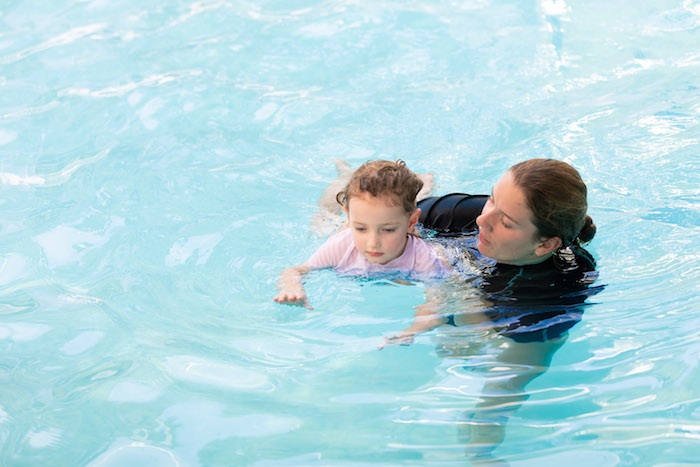
Parents often notice big differences in how quickly children learn to swim. One child may glide across the pool with ease after a few weeks, while another still feels unsure in shallow water. This contrast can cause worry, even when both children attend regular swimming lessons near me through well regarded providers such as swimming lessons near me. As someone who has spent many years observing swim schools and teaching methods, I can say with confidence that slower progress is rarely a problem. It is usually a sign that a child is learning in their own way, at their own pace.
I have seen countless children who start slowly but later become calm, capable swimmers with strong technique and confidence. Speed of learning does not predict long term success. What matters is how the learning process is handled. The best swim schools understand this and adapt their approach to support every child, not just the quickest learners.
Learning speed is not linked to intelligence or effort
One of the most important points to understand is that learning speed has nothing to do with intelligence or effort. Children who progress slowly are not less capable. They are simply responding to the water differently.
Swimming places unique demands on the body and mind. It changes balance, breathing and movement all at once. Some children adapt to these changes quickly. Others need more time to process what they feel.
When adults expect all children to move at the same pace, frustration can build. Calm reassurance and patience are far more effective than comparison.
Confidence is the main factor in learning speed
Confidence plays a larger role in swimming than in many other activities. A confident child relaxes in the water. A relaxed body floats more easily. Breathing stays calm. Movements flow.
A child who lacks confidence may tense their muscles, hold their breath or grip the pool edge. These reactions slow learning. The child is not resisting instruction. Their body is responding to uncertainty.
This is why high quality swimming lessons focus on confidence before technique. When confidence grows, progress often speeds up on its own.
Early water exposure makes a difference
Children who have spent time in water from a young age often progress faster. Baths, paddling pools and relaxed family swims help water feel familiar. These experiences reduce fear before formal lessons begin.
Children without early exposure are not disadvantaged in the long term, but they may take longer at the start. The water feels new. The sensations are unfamiliar. This adjustment phase is normal.
Good instructors recognise this and allow extra time for early stages rather than rushing ahead.
Breathing control affects progress more than parents realise
Breathing is a key factor in swimming progress. Children who struggle to breathe calmly in water often learn more slowly. They may avoid putting their face in the water or lift their head too high.
Breathing habits take time to develop. Children who feel uneasy often hold their breath without realising it. This creates tension and panic.
Skilled instructors introduce breathing gently. They use simple exercises such as bubble blowing and face wetting. These steps may look small, but they unlock progress later.
Balance and body awareness vary between children
Every child develops physical awareness at a different rate. Some children have strong balance and coordination early on. Others are still developing these skills.
Water changes how balance works. The body feels lighter. Movement slows. Children must learn how to adjust. This can take longer for some than others.
Children who take time to understand buoyancy often become smoother swimmers later. Early patience supports better technique in the long run.
Sensory sensitivity can slow early progress
Pools are busy places. Noise echoes. Lights reflect. The water feels cool. For some children, this sensory input feels intense.
Children who are sensitive to sound, touch or new sensations may appear hesitant. They may need longer to settle before learning can begin.
This sensitivity is not a weakness. It is simply part of how the child experiences the world. Calm instruction and predictable routines help these children progress steadily.
Group dynamics influence learning pace
Group lessons are valuable, but group size and dynamics matter. In larger groups, some children feel watched. Others struggle to hear instructions clearly.
Children who are naturally cautious may hold back in busy groups. This can make progress appear slower.
Smaller groups allow instructors to give more individual attention. Children feel less pressure and often relax more quickly.
In the middle of this discussion, it is worth noting that structured programmes such as those outlined on the swimming lessons page place strong emphasis on group balance and calm pacing. From what I have seen, this approach supports children who need a little more time.
Past experiences shape current learning
A single negative experience can affect how a child approaches swimming. A slip, an unexpected splash, or being asked to do something before they felt ready can leave a lasting impression.
Children may not talk about these moments. Instead, they show hesitation or resistance. This can look like slow learning, but it is actually caution.
Understanding this helps instructors respond with empathy rather than pressure.
Children mature emotionally at different rates
Emotional readiness matters in swimming. Some children feel comfortable following instructions and trying new things early. Others need more reassurance.
Emotional maturity affects how children handle uncertainty. Water introduces uncertainty by nature. Children who need more emotional support may take longer to trust the process.
This is normal development, not a failure.
Comparing children slows progress
Comparison is one of the biggest obstacles to learning. When children sense they are behind others, confidence drops. They may stop trying or become anxious.
Parents often compare progress without realising it. Even subtle comments can affect how a child feels.
Good swim schools discourage comparison. They focus on individual progress and personal milestones instead.
School swimming does not suit all learners
School swimming lessons provide exposure, but they do not suit every child. Large groups, limited time and busy environments can slow progress for some.
Children who struggle in school sessions often progress well in smaller, calmer settings. This is why many families look for additional swimming lessons outside school.
Private or small group lessons offer a pace that suits each child.
Learning style differences matter
Some children learn best by watching. Others learn by doing. Some respond well to verbal cues. Others need physical guidance.
Swimming instructors who understand learning styles adapt their teaching. They explain skills in different ways until the child connects.
Children who need this adaptation may take longer at first, but they often build stronger understanding later.
Physical development affects swimming progress
Strength, flexibility and coordination develop over time. Younger children may lack the strength to kick effectively or hold body position.
This does not mean they are failing. It means their body is still growing.
Swimming supports physical development, but progress should match the child’s stage of growth.
Why slower learners often become strong swimmers
In my experience, children who learn slowly often develop excellent technique. They spend more time on fundamentals. They understand balance and breathing deeply.
These children often surpass early fast learners later on. Their skills are stable and consistent.
Speed at the start does not predict skill at the finish.
The role of the instructor is critical
The instructor shapes how children feel about learning speed. A skilled instructor reassures parents and children alike. They explain that progress varies and that steady learning is positive.
Instructors who rush or show frustration create stress. Instructors who remain calm build trust.
The best instructors celebrate effort and improvement rather than speed.
How parents can support slower progress
Parents play a key role in supporting children who learn slowly. Helpful approaches include:
- Praising effort rather than results
- Avoiding comparison with others
- Keeping language calm and positive
- Trusting the instructor’s guidance
- Maintaining consistent attendance
- Allowing breaks when needed
These steps help children feel safe and supported.
Consistency matters more than intensity
Regular weekly lessons support steady progress. Long gaps between sessions slow learning. Children forget sensations and lose confidence.
Consistency builds familiarity. Familiarity builds confidence. Confidence builds skill.
Short term intensity does not replace long term consistency.
Why structured progression works best
Structured lessons follow a clear path. Each skill builds on the last. Children know what they are working towards.
This clarity reduces anxiety. Children who learn slowly benefit from knowing they are not being rushed.
Structured progression supports confidence and skill together.
Recognising real progress beyond distance
Progress is not only measured by how far a child swims. Other signs of progress include:
- Relaxed breathing
- Willingness to try new skills
- Improved body position
- Reduced fear
- Increased enjoyment
These signs often appear before visible swimming distance improves.
A realistic message for parents
Every child can learn to swim. Some simply take longer to feel ready. Slower progress is not a setback. It is part of learning.
Parents who understand this help their children succeed. Pressure delays progress. Patience supports it.
Why I recommend calm, structured programmes
After observing many swim schools, I consistently recommend programmes that value calm progression over speed. Schools that focus on confidence, breathing and balance produce steady, capable swimmers.
Providers offering swimming lessons in Leeds through pages like swimming lessons in Leeds reflect this approach well. Their emphasis on structure and understanding makes a clear difference for children who need time.
Final thoughts on learning speed
Children learn to swim at different speeds for many reasons. Confidence, exposure, breathing, balance and emotional readiness all play a role. Slower learning is not a flaw. It is a sign that the child is processing the experience carefully.
With the right instruction, patience and support, every child can become a confident swimmer. In the end, calm progress leads to strong skills that last a lifetime.