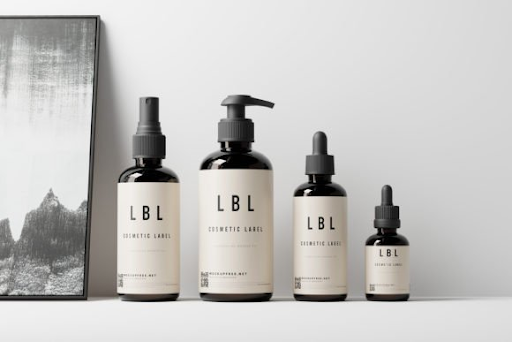
In the beauty industry, trust begins long before a customer experiences the product itself. It starts at the shelf, with the packaging, and most importantly, with labels for cosmetic bottles that communicate quality, safety, and authenticity at first glance. In a competitive market where consumers are presented with countless choices, labels act as silent brand ambassadors, shaping perception and influencing purchase decisions within seconds.
Cosmetic labels are no longer just informational tags. They play a critical role in storytelling, transparency, and brand positioning. From typography and color choices to material quality and print effects, every detail contributes to how a brand is perceived, and whether it is trusted.
Why Trust Matters in the Cosmetic Industry
Beauty and personal care products are deeply personal. Consumers apply them directly to their skin, hair, and body, making trust a non-negotiable factor. A well-designed cosmetic label reassures buyers that the brand values safety, compliance, and honesty.
Clear ingredient listings, legible instructions, proper symbols, and thoughtful design signals professionalism. When consumers feel informed and respected, they are more likely to trust the brand and remain loyal over time.
The Psychology Behind First Impressions
Visual Appeal
Visual appeal is often the first element that captures attention. Color palettes, typography, imagery, and overall layout instantly communicate a brand’s personality—whether it feels luxurious, natural, playful, or clinical. Well-designed labels stand out on crowded shelves, draw the eye, and create an emotional connection before the product is even picked up. A visually appealing label suggests care, creativity, and professionalism, making consumers more likely to explore the product further.
Readability and Clarity
Once attention is captured, readability determines how easily consumers can understand the product. Clear fonts, well-organized information, and proper spacing help shoppers quickly identify key details such as ingredients, benefits, and usage instructions. Labels that are cluttered or difficult to read can create confusion or frustration, leading consumers to question the product’s reliability. In contrast, clean and legible design builds confidence and makes decision-making easier.
Perceived Quality of Materials
The look and feel of the label strongly influences how premium a product appears. High-quality materials, such as textured paper, matte finishes, embossing, or metallic accents, signal durability and attention to detail. Even before the product is used, consumers often associate these tactile cues with higher performance and value. Conversely, thin or poorly finished labels can make a product feel less trustworthy, regardless of its actual quality.
Design Consistency
Consistency in design helps establish brand recognition and trust. When a cosmetic brand uses consistent colors, fonts, layout styles, and visual elements across its product range, it creates a cohesive identity that feels professional and reliable. Design consistency reassures consumers that the brand is well-established and detail-oriented, which can influence repeat purchases and long-term loyalty.
A cluttered or poorly printed label can create doubt, while a clean, balanced design conveys confidence and reliability. In beauty, perception often equals credibility.
The Role of Label Design in Brand Storytelling
Every cosmetic brand has a story, whether it’s rooted in luxury, sustainability, science, or self-care. Labels are one of the most effective ways to communicate that story without words.
Minimalist designs may suggest purity and transparency, while bold typography and metallic accents can signal premium positioning. When design aligns with brand values, it strengthens emotional connection and builds long-term trust.
Print Quality as a Marker of Authenticity
Consumers subconsciously associate high-quality printing with high-quality products. Smudged ink, uneven finishes, or low-grade materials can raise concerns about product legitimacy.
Advanced printing techniques such as embossing, spot UV, matte finishes, and foil stamping enhance both visual and tactile appeal. These finishes do more than look attractive, they signal investment, care, and attention to detail.
Midway through a consumer’s buying journey, brands that use the best labels for cosmetics often stand out not because they are loud, but because they feel refined, intentional, and trustworthy.
Material Selection and Durability
Cosmetic labels must withstand moisture, heat, oils, and frequent handling. A label that peels, fades, or wrinkles quickly reflects poorly on the brand.
Durable materials such as film labels, coated papers, and specialty substrates ensure longevity and maintain a premium appearance throughout the product’s lifecycle. When a label remains intact and legible, it reinforces reliability and professionalism.
Transparency Builds Consumer Confidence
Modern consumers are highly informed and cautious. They actively seek clarity around ingredients, sourcing, usage instructions, and sustainability practices.
Effective cosmetic labels prioritize transparency by:
- Using clear, readable fonts
- Organizing information logically
- Avoiding misleading claims
- Including required regulatory symbols
Transparency reduces uncertainty and empowers consumers to make confident purchasing decisions.
Consistency Across Product Lines
Brand credibility grows when consumers recognize consistency. Using similar label layouts, color schemes, and typography across different products creates familiarity and reinforces brand identity.
Consistency does not mean uniformity. Successful brands maintain a cohesive visual system while allowing room for variation between product categories. This balance strengthens recognition while supporting scalability.
The Impact of Sustainability on Trust
Eco-conscious consumers increasingly evaluate packaging as part of their buying decision. Labels printed using sustainable materials, water-based inks, or waste-reducing processes enhance brand reputation.
Sustainability communicated honestly, without exaggeration, signals responsibility. When labels align with environmental values, they foster trust and long-term brand loyalty.
Compliance and Regulatory Accuracy
Cosmetic labels must meet strict regulatory requirements. Non-compliance can damage credibility, lead to legal issues, and erode consumer trust.
Accurate ingredient lists, proper warnings, batch codes, and expiry indicators demonstrate professionalism and accountability. Brands that prioritize compliance signal that they value consumer safety above shortcuts.
How Labels Influence Repeat Purchases
Trust doesn’t end after the first sale. Labels continue to reinforce credibility every time a consumer uses the product.
A label that remains visually appealing, readable, and intact over time strengthens brand recall. This consistency builds familiarity, encouraging repeat purchases and word-of-mouth recommendations.
Innovation in Label Printing
Advancements in digital printing, precision finishing, and customization have expanded creative possibilities for cosmetic labels. Brands can now experiment with textures, reflective finishes, and limited-edition designs without sacrificing consistency.
Innovation keeps brands relevant while maintaining trust, when executed thoughtfully and aligned with brand values.
Conclusion: Labels as Long-Term Brand Assets
Effective cosmetic labels are not just decorative elements; they are strategic tools that build trust, convey credibility, and strengthen brand identity. From design and materials to transparency and compliance, every detail contributes to how a brand is perceived. Thoughtfully crafted labels help transform first impressions into lasting relationships.
In this ecosystem, companies like Stars Printing and Packaging contribute to the industry through their experience across diverse label applications, including their role as a lubricants label printing manufacturer. With in-house capabilities, continuous production operations, and a focus on quality and governance, their work supports consistent and reliable label solutions across multiple sectors.